
Gray Blending vs. Gray Transition:
Which Path is Right for You?
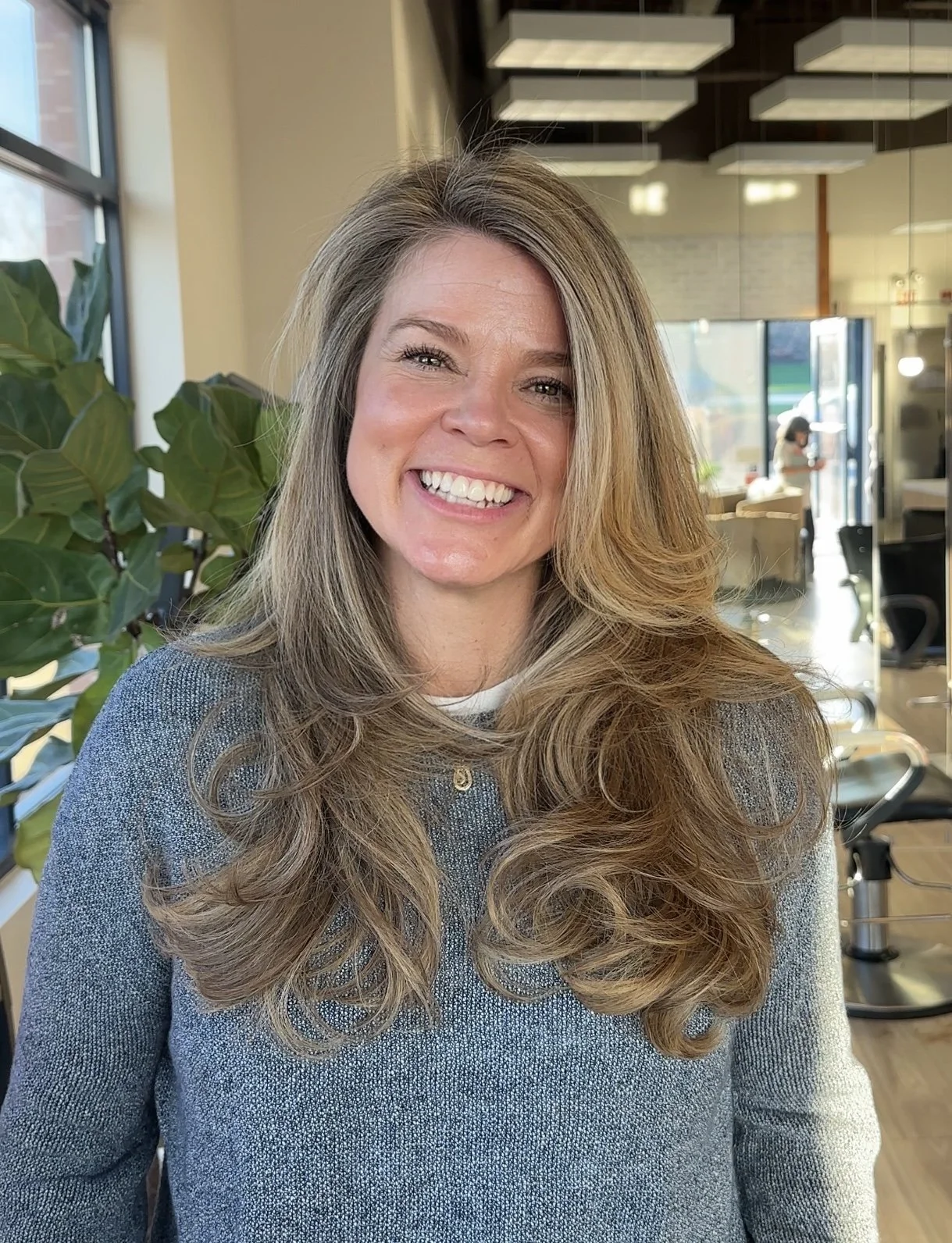
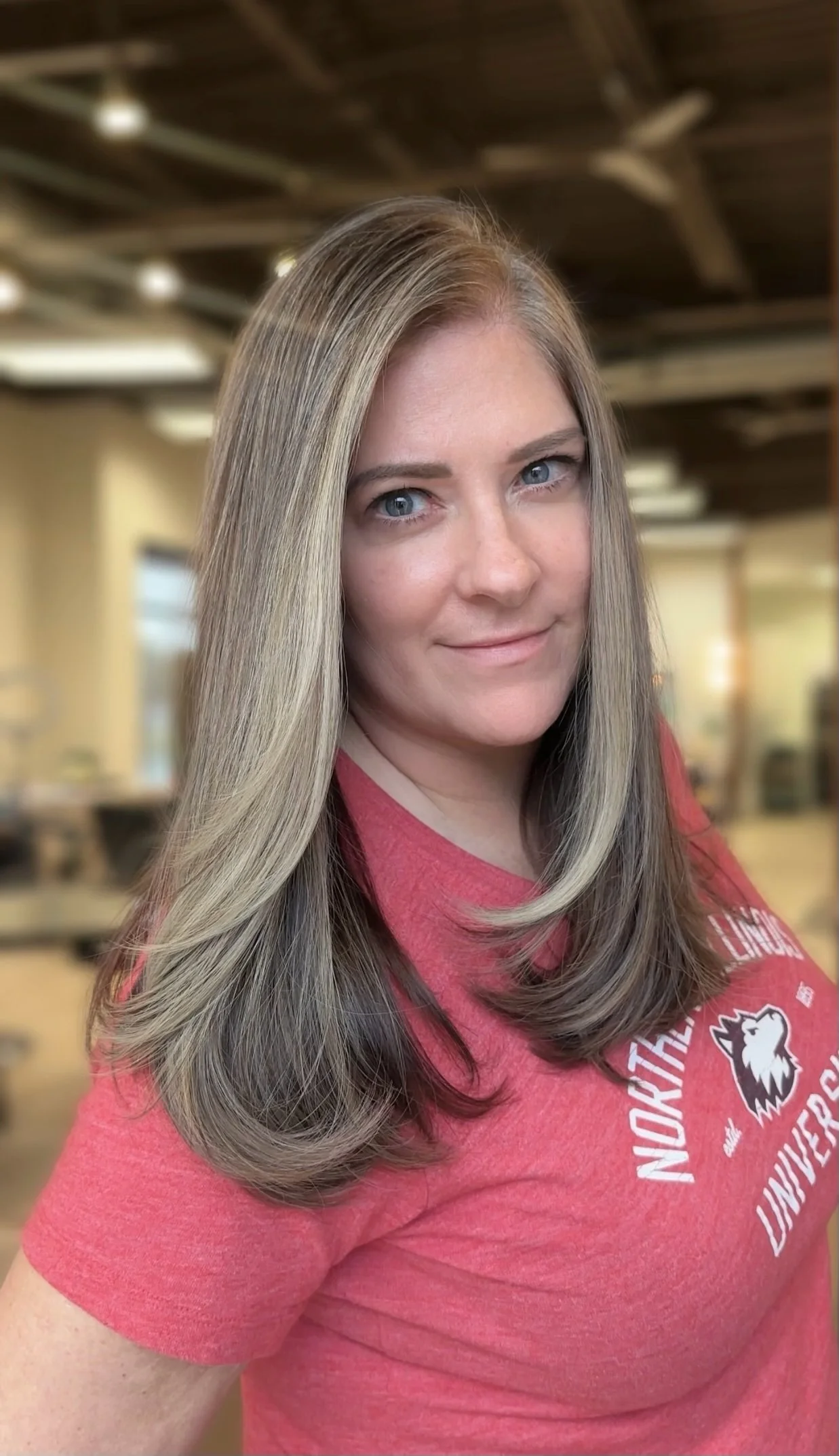

If you’re tired of your gray… but also not quite sure what you want to do about it—you’re not alone.
Most women hit a point where the maintenance of traditional color just doesn’t feel worth it anymore. That three-week regrowth turns into seeing sparkle by day seven, and suddenly you’re stuck in a cycle you didn’t sign up for.
The good news? You have options.
When you’re ready for something different, there are two main paths: gray blending and gray transitioning. They sound similar, but they serve very different goals. Here’s how to know which one is yours.
Option 1: Gray Blending
For less maintenance — but not fully gray
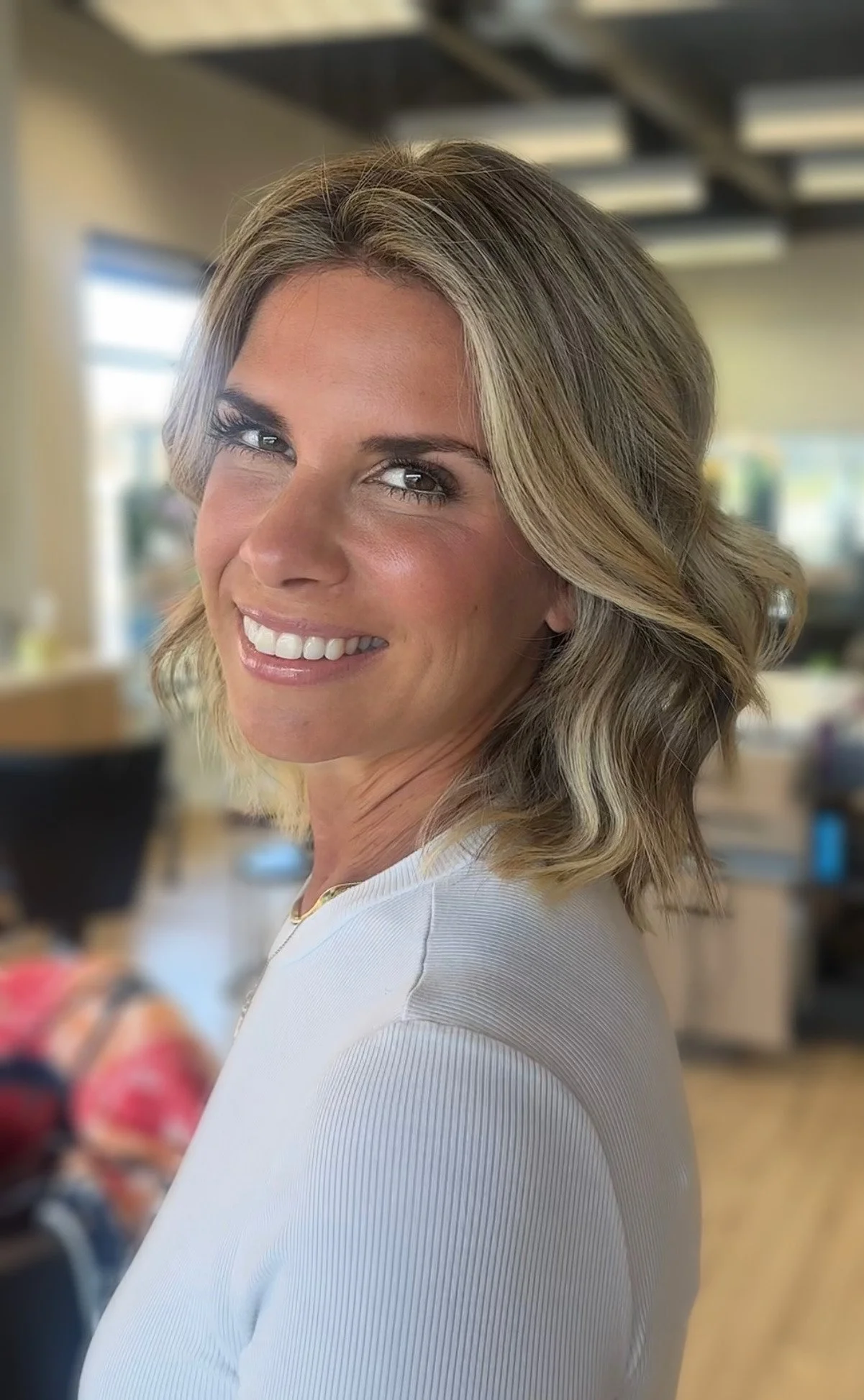
Gray blending is for the woman who isn’t ready to fully embrace gray—but is ready to stop living at the salon every three weeks.
This technique uses demi-permanent color and micro babylights to mimic your natural gray pattern, soften the harsh line of demarcation, and create a grow-out that feels intentional rather than stressful.
Who is the best candidate?
You’re not 100% gray yet — typically around 30–40% — and you may notice it concentrating around your face or coming in as a streak. You want more breathing room between appointments without making a permanent commitment to going fully gray.
What changes?
Your three-week touch-up becomes six to eight weeks at minimum, with flexibility to stretch to twelve depending on your tolerance. From there, you have choices: continue soft blending with demi color, tone the gray to read more like highlights, or refresh everything each visit if you prefer a more polished look.
This is about freedom — without fully letting go.
Option 2: Gray Transition
For growing out your natural gray completely
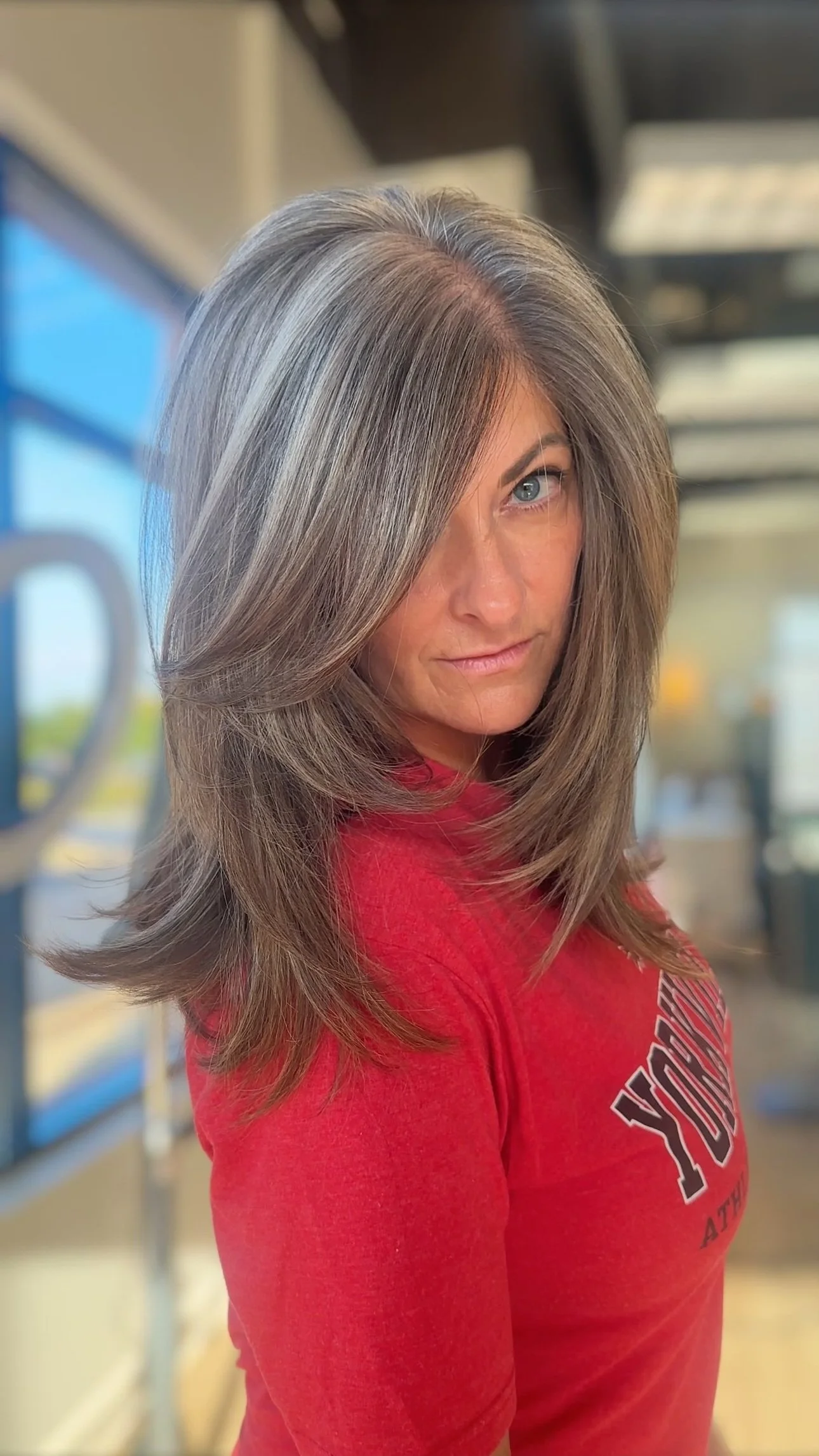
If your end goal is to fully embrace your gray, this is your path.
A gray transition focuses on leaving your natural regrowth alone where possible, softening the line between your gray and your existing color, and neutralizing warmth and uneven tones through the mid-lengths and ends.
I want to be honest about what I don’t do: extreme, one-day transformations. Those dramatic before-and-afters can look beautiful initially, but they’re often very harsh on the hair, still require ongoing maintenance, and don’t always support long-term hair health. My approach is low-tox and low-stress — a gradual, intentional shift toward your natural gray.
What this process looks like:
• Sessions that can run five to six hours
• Strategic highlighting to mimic your natural gray pattern
• Demi-permanent color to neutralize remaining warmth
•A timeline of roughly a year to reach ear length — longer if your hair is past your shoulders — with each appointment feeling like progress, not just waiting
The Truth About “Pretty Gray”
Here’s something most people don’t realize: gray hair is actually hair with no pigment. It’s white. Gray is a visual effect — and what creates it is the color it sits next to.
White next to warmth reads as blonde. White next to icy tones reads as platinum. White next to soft ash tones reads as gray.
So when we talk about creating beautiful gray, we’re not just working with your natural strands — we’re designing the environment around them. That’s the part that requires real skill, and it’s why the result looks so different when it’s done intentionally.
So Which One Is Right for You?
It really comes down to this:
Not ready to be fully gray, but done with high maintenance? Gray blending is your path.
Ready to grow out your natural gray completely? Gray transition is yours.
Both options move you away from constant upkeep. Both honor your natural pattern. Both are designed to make your hair feel like you again — just with a lot more ease.
Final Thought
There is no wrong choice here — only the one that aligns with how you want to feel. Because this was never really just about your hair. It’s about your time, your energy, and your relationship with getting ready in the morning.
That should always feel intentional. And it can.
Not sure which path is right for you? That’s exactly what a consultation is for.