
Going Gray: Why most People feel Stuck
(and What the Process Actually Looks Like)

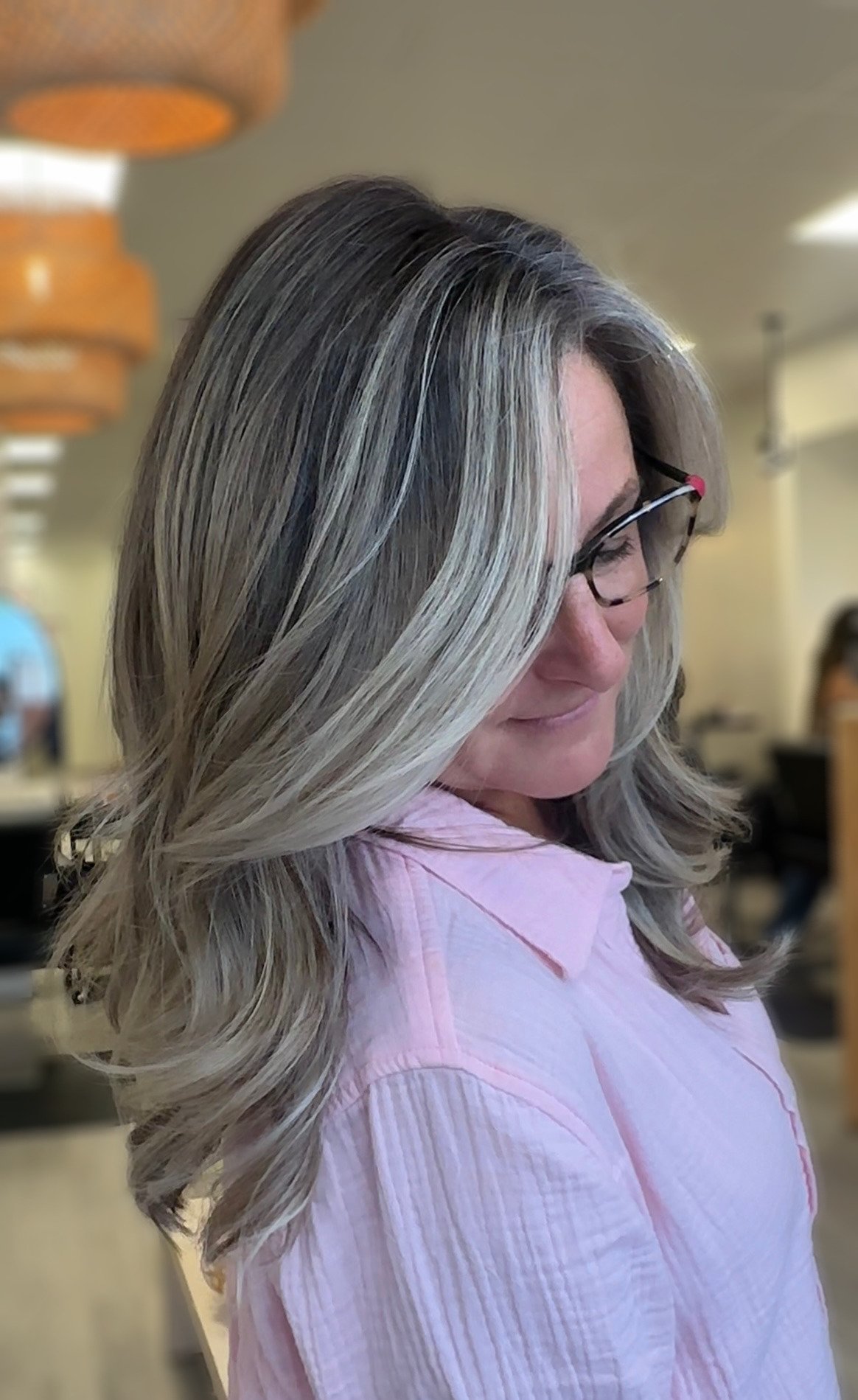

Most people feel stuck when it comes to going gray — not because they don’t want it, but because they don’t understand the process.
For most women, it feels like there are only two options: let it grow out and deal with it, or keep coloring it forever. And neither one feels great.
There is maintenance either way. But what most people don’t realize is — there are actually three paths.
The 3 Ways to Go Gray
1. Let It Grow Out Naturally
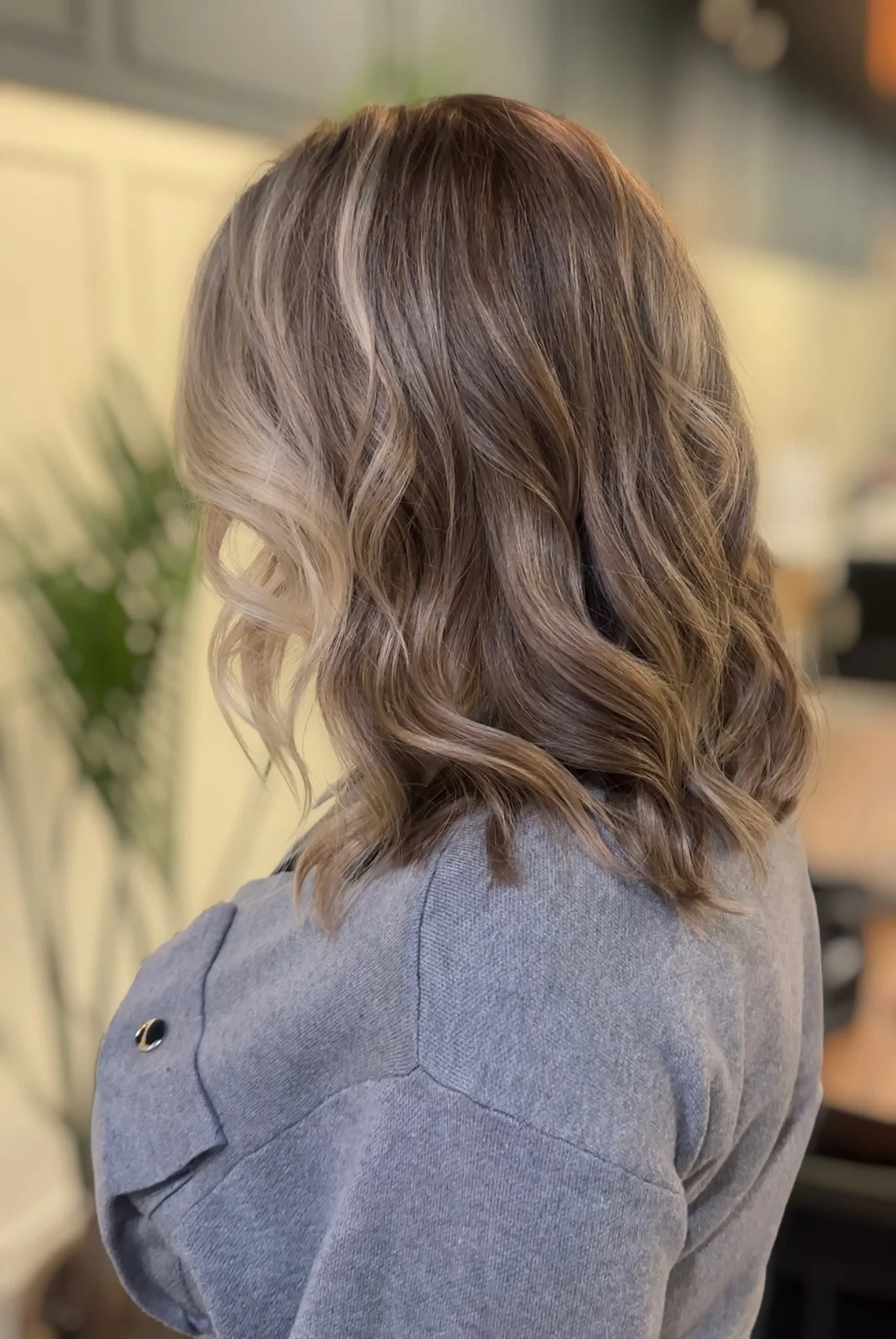
This is the most accessible option. You simply stop coloring your hair and let your gray grow in.
What to expect:
A strong line of demarcation between your colored ends and natural roots
A grow-out process that takes roughly a year to reach ear length — longer if your hair is past your shoulders — the point where most women feel like they’ve turned a corner
Phases that can feel awkward or unfinished along the way
It’s the simplest path, but the contrast and the waiting are real.
2. Full Transformation
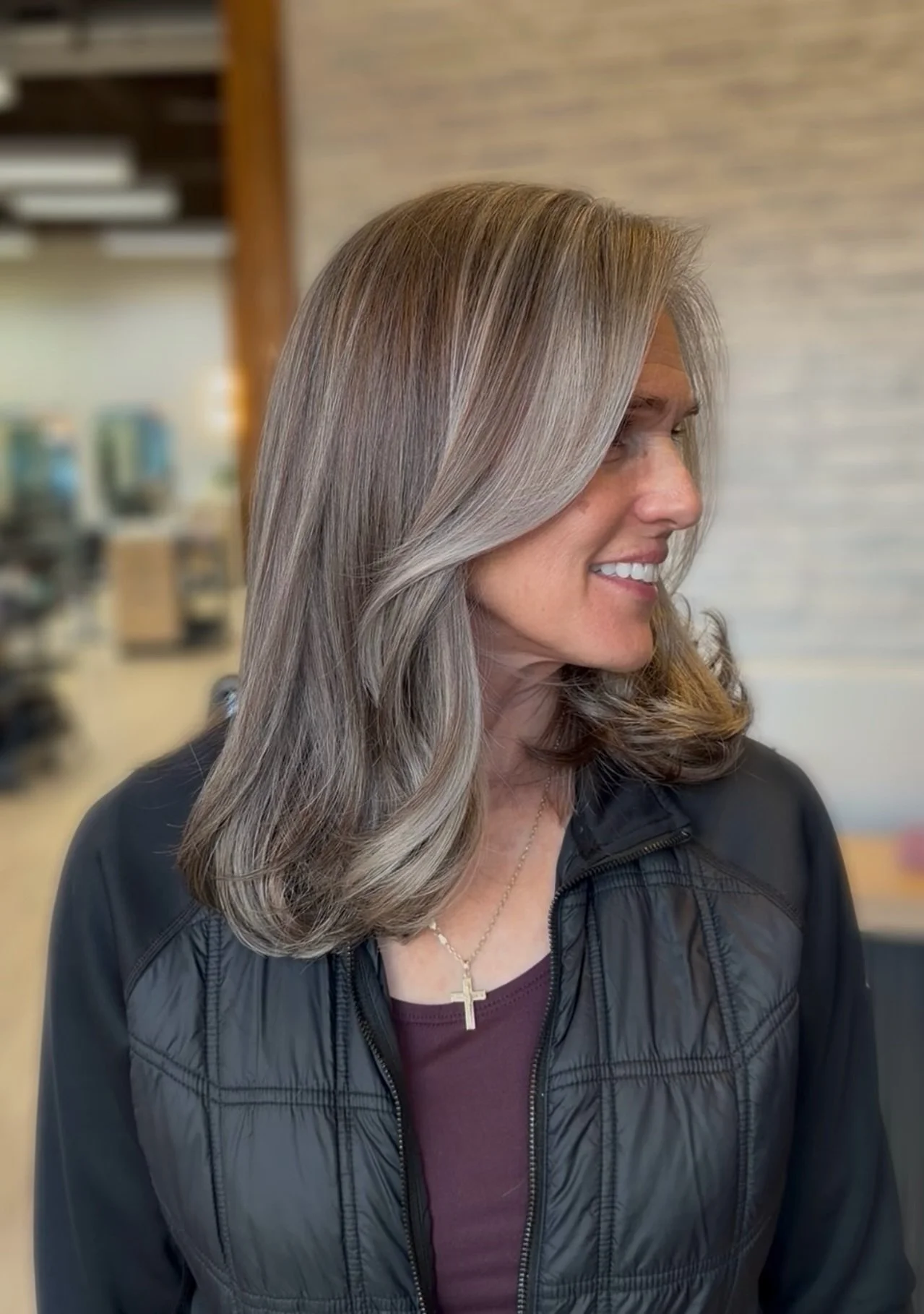
This is the dramatic before-and-after you see online — going from fully colored to fully gray in one session.
It’s worth knowing who this option genuinely suits: women with very short hair, those who are already heavily lightened, or clients with a high percentage of natural gray who just need the remaining color lifted out.
For everyone else, it comes with real tradeoffs:
• Significant chemical processing in a single session
• Potential for damage and breakage, especially on previously colored hair
•Ongoing maintenance (toning, treatments, trims) to keep the result looking intentional
It’s immediate — but the intensity is significant, and it’s not the right fit for most starting points.
3. A Guided Transition
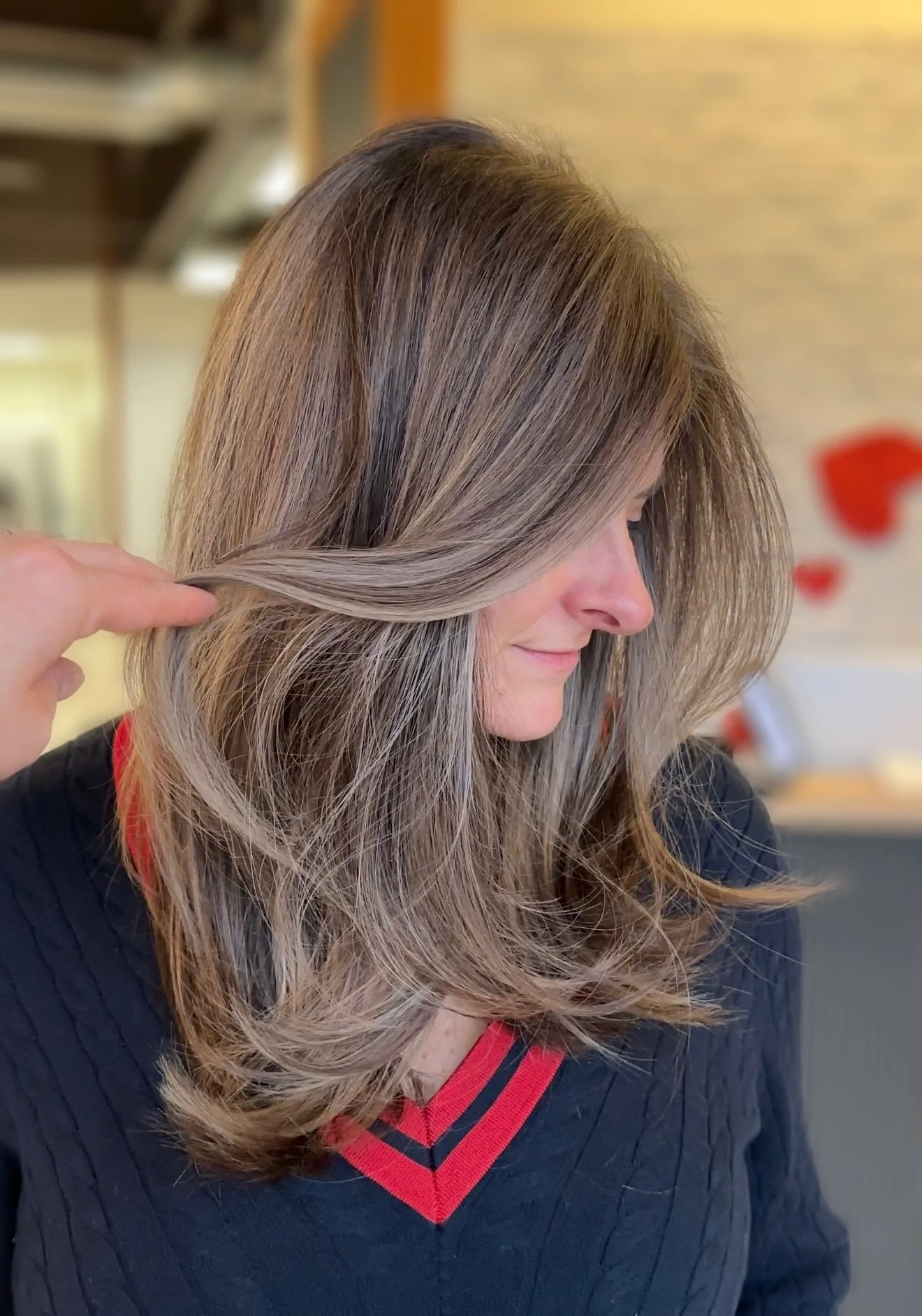
This is where the process looks completely different. Instead of forcing your hair into gray in one day, I build it to look gray over time — in a way that’s softer, healthier, and far more forgiving.
It still takes time. There will be a phase where your hair is in-between, and I want to be upfront about that. But the difference is that we anticipate it, manage it, and design around it — so it never has to feel like you’re just waiting it out.
What this Process actually Looks Like
First Visit: Break the Line Immediately
The goal of the first appointment is simple: remove that harsh line of demarcation right away.
How we do that:
Babylights throughout the entire head to mimic your gray pattern
A demi-permanent root touch-up (not permanent color)
A full gloss in icy or charcoal tones
What this creates:
A softer, diffused grow-out
A color that reads gray, not blonde
A result that already looks more intentional after one session
Second Visit (8–10 Weeks Later): Refine, Don’t Restart
At your next appointment, we don’t go backwards—we refine.
What I do:
Do not touch your regrowth
Add strategic highlights + lowlights (mainly where you see it most)
Neutralize any warmth that’s come through
Custom edit what your hair is doing
This is where your grow-out starts to feel easy.
From There: Low Maintenance Mode
Once the line is fully softened, heavy foiling is done. From here:
You come in every 8 weeks or so for a gloss and trim
You maintain tone at home with a purple or blue shampoo
Your gray continues to grow in without harsh contrast
Most clients reach this stage within a year — about the time it takes to grow to ear length — though if your hair is longer, the timeline stretches with it. Either way, most women tell me that’s when it finally clicked for them.
Why This Works
Because we’re not just reacting to gray. We’re mimicking your natural pattern, controlling the contrast, and designing how your gray shows up. That’s what makes it look soft, blended, and intentional — instead of abrupt.
The Bottom Line
You don’t have to choose between growing it out and hating the process, or damaging your hair to rush the result. There is a middle path. One that gives you less maintenance, less damage, and a grow-out that actually feels like you — every step of the way.
Ready to explore what gray blending could look like for you?